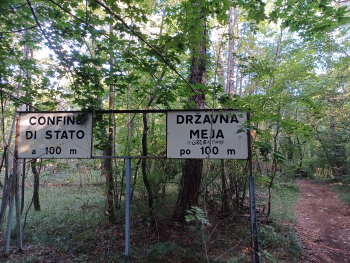
Trieste and the north-eastern border: new mobility, identity and memory policies
Trieste and the north-eastern border have long been a highly symbolic area for Italy's geopolitics. In recent years, Trieste has also become one of the main arrival points for migrants travelling along the so-called Balkan route. This has had consequences for the way in which the border with Slovenia has been managed and perceived. The arrival in Italy of thousands of informal migrants each year via the forest paths surrounding the city has justified the Italian government's temporary suspension of the Schengen agreements, highlighting the mechanism underlying the mobility differential applied to different individuals entering the country formally or informally. This lecture will analyse the political geographies that have marked these different forms of mobility, significantly redefining the role and image of this border.
Conference in Italian.
CV
Prof. Claudio Minca
Claudio Minca è professore ordinario di Geografia presso l'Università di Bologna. Prima di ricoprire questo ruolo, ha insegnato in diversi contesti internazionali, tra cui le università di Newcastle e Londra, nel Regno Unito, la Wageningen University nei Paesi Bassi e la Macquarie University in Australia. I suoi principali interessi di ricerca riguardano il rapporto tra teoria spaziale, biopolitica e modernità. Più di recente, si è dedicato all’analisi delle geografie politiche dei campi profughi. Tra le sue opere più recenti figurano Thinking like a Route (2026, con Y. Weima) e A Spatial Theory of the Camp (2025, con R. Carter-White). Ha recentemente vinto un ERC Advanced Grant per un progetto intitolato "The GAME: Counter-mapping informal refugee mobilities along the Balkan Route”.